

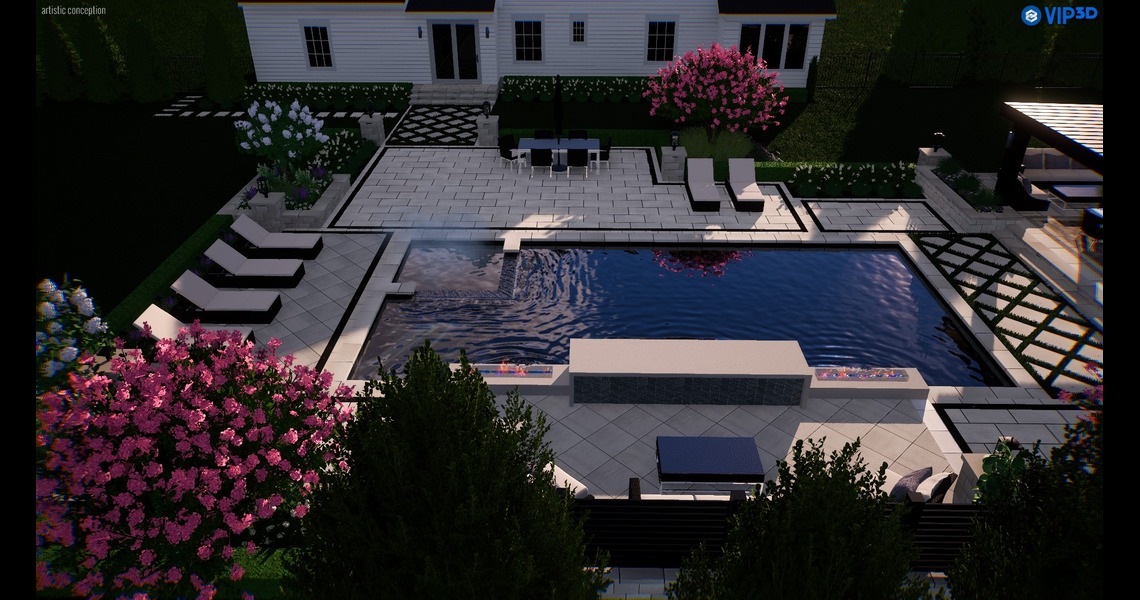
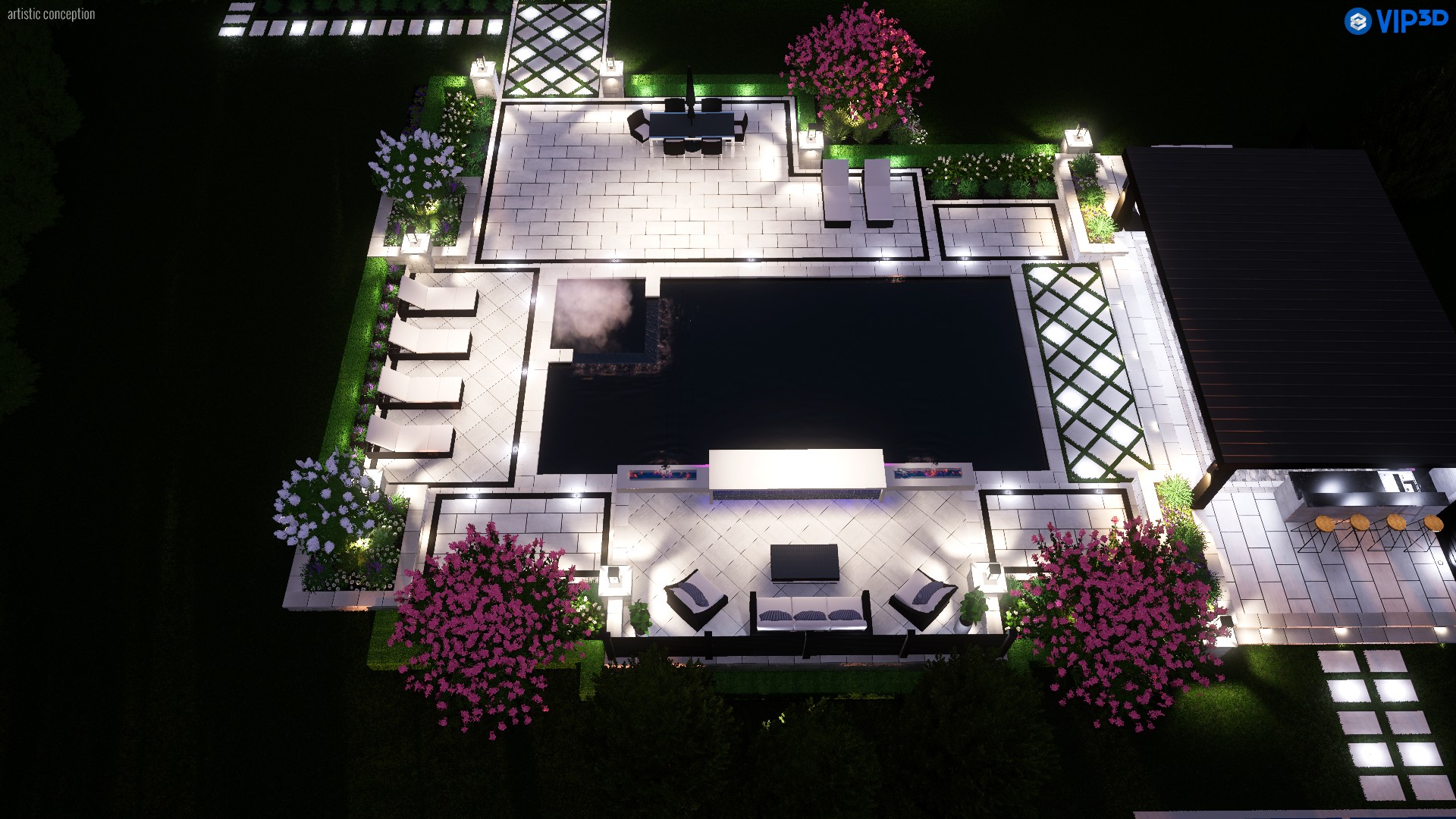
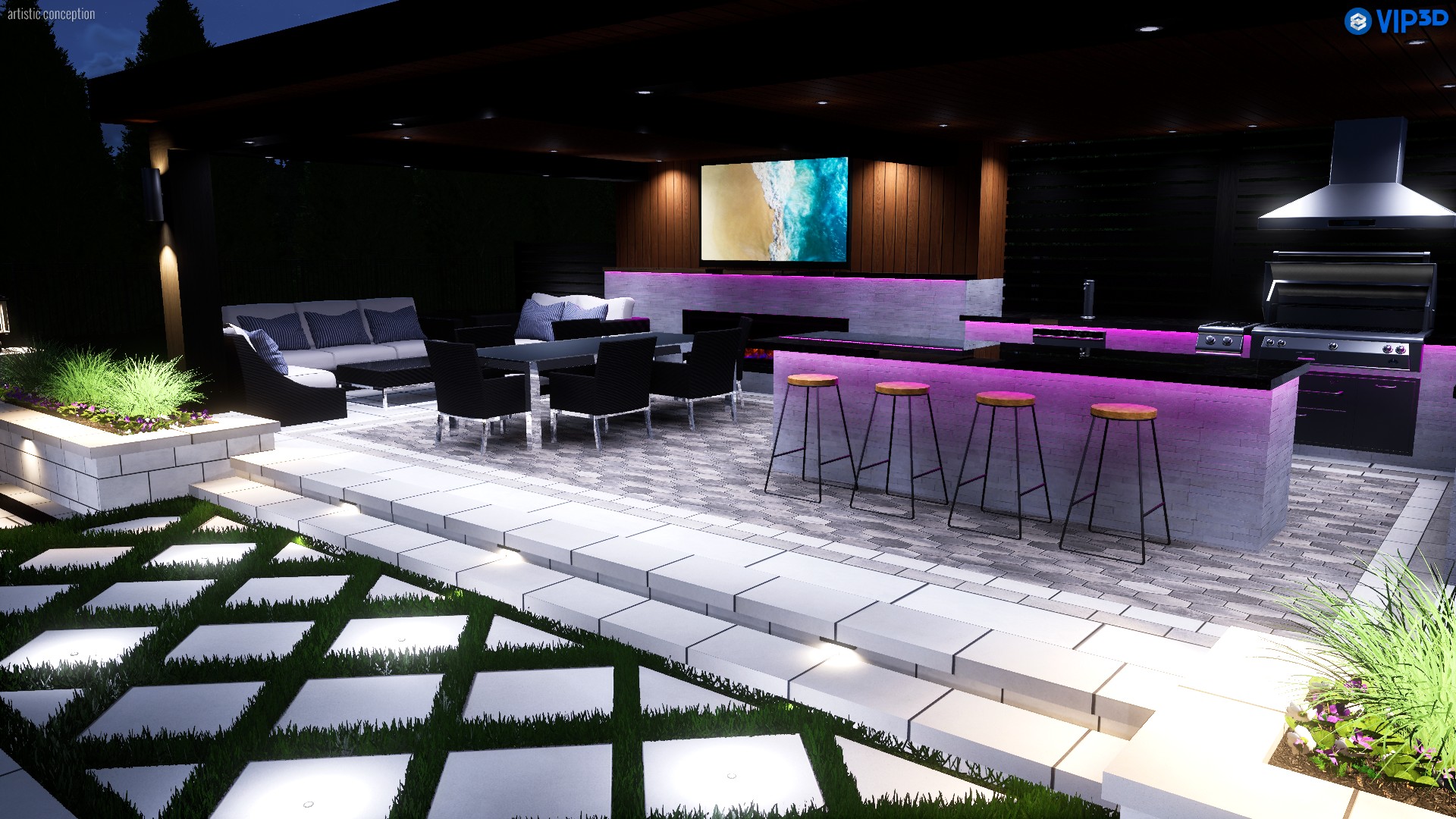
A beautifully landscaped yard can turn your outdoor space into a personal oasis, a place for relaxation, and a hub for entertainment. Whether you're starting from scratch or giving your existing landscape a facelift, these 12 landscape design tips will help you create a stunning and functional yard that suits your needs and preferences.
Define Your Goals:
Before you get your hands dirty, decide what you want to achieve with your landscape. Do you desire a serene escape, a family-friendly space, or a vibrant garden? Your goals will serve as the foundation of your design.
Budget Wisely:
Create a budget that covers all aspects of your project, from plants and materials to labor costs. Knowing your financial limits will help you make informed decisions and prevent overspending.
Site Analysis:
Understand your property's characteristics, such as soil quality, drainage patterns, sunlight exposure, and existing elements. This information will guide your design choices and ensure they're suitable for your specific site.
Design Principles:
Learn the basic principles of landscape design, including balance, unity, rhythm, and scale. Applying these principles will help you create a visually pleasing and cohesive outdoor space.Hardscape vs. Softscape:
Strike a balance between hardscape features like patios, decks, and pathways, and softscape elements, such as plants and trees. The right mix is key to a harmonious design.
Plant Selection:
Choose plants that thrive in your climate and soil conditions. Consider factors like maintenance requirements, growth habits, and seasonal interest when making your selections.
Focal Points:
Create focal points within your landscape, such as a striking tree, a water feature, or a garden sculpture. Focal points add visual interest and help draw the eye.
Color and Texture:
Incorporate a variety of plant colors and textures to create depth and interest in your landscape. Group plants with similar characteristics for a cohesive look.
Pathways and Access:
Ensure your landscape design includes well-defined pathways and access points. This not only aids functionality but also adds structure to your outdoor space.
Outdoor Lighting:
Extend the usability of your yard into the evening with carefully planned outdoor lighting. This can create a warm and inviting ambiance and highlight your landscape's best features.
Sustainability:
Consider eco-friendly landscaping practices, such as planting native species, xeriscaping to conserve water, and implementing efficient irrigation systems. Sustainable choices benefit the environment and reduce long-term maintenance.
Maintenance:
Think about the level of maintenance you're willing to commit to and choose plants and features accordingly. Low-maintenance options can save you time and effort in the long run.
"I don't divide architecture, landscape, and gardening; to me they are one."
With these 12 landscape design tips in your toolkit, you're well on your way to creating a stunning and functional outdoor space that reflects your vision and needs. Remember, landscape design is a creative endeavor, so don't be afraid to experiment and let your personal style shine through in every corner of your yard. Happy landscaping!

Leave a comment